
Introduction
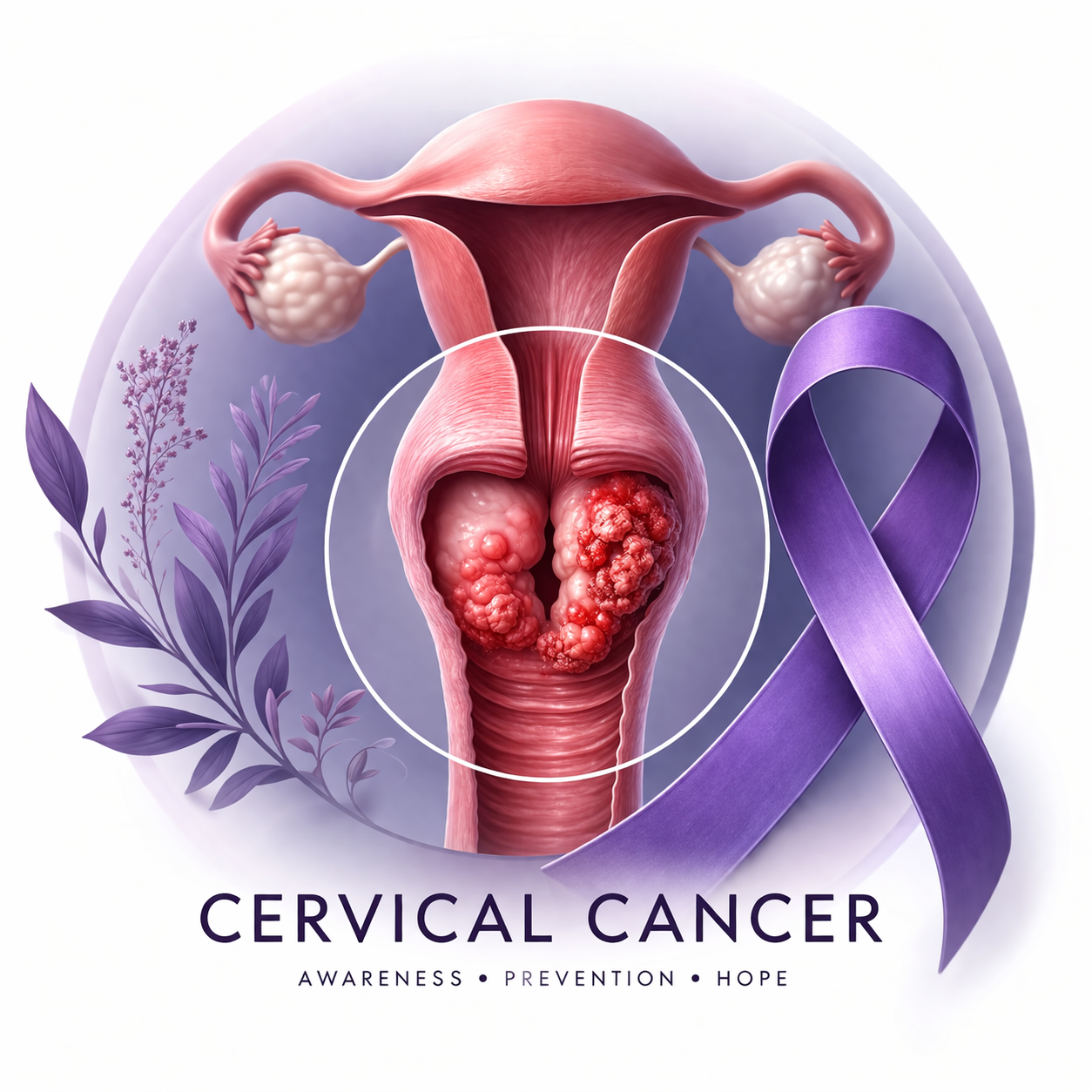
Cervical cancer is cancer that begins on the surface of the cervix. It happens when the cells on the cervix start to change to precancerous cells.
Each year, more than half a million women are diagnosed with cervical cancer, and the disease results in over 300,000 deaths worldwide.
In Nigeria, cervical cancer ranks as the second most frequent cancer among women, following breast cancer. Estimates indicate that around 12,075 Nigerian women are diagnosed with cervical cancer each year and about 7,968 die from the disease, reflecting the urgent need for stronger prevention and early detection efforts.
When diagnosed, cervical cancer is one of the most successfully treatable forms of cancer, as long as it is detected early and managed effectively. By improving prevention, screening, and treatment, cervical cancer can be stopped from becoming a major health problem in the future.
Causes of Cervical Cancer
High-risk subtypes of the human papillomavirus (HPV), a common sexually transmitted virus, are the cause of the disease in most cases. The disease is largely preventable. Certain HPV strains, especially types 16 and 18, are responsible for the majority of cases worldwide.
Additional factors that increase the risk of cervical cancer include:
Weakened immune system (e.g., HIV infection)
Early onset of sexual activity
Multiple sexual partners
Smoking tobacco
Long-term use of hormonal contraceptives
Lack of regular screening
Symptoms
In its early stages, cervical cancer may not cause noticeable symptoms, which is why regular screening is critical. When symptoms do occur, they may include:
- Vaginal bleeding between periods or after intercourse
- Bleeding after menopause
- Unusual vaginal discharge that may be watery, bloody, or foul-smelling
- Persistent pelvic/abdominal pain or pain during sex
- Diarrhea, pain, or bleeding from your rectum when pooping.
- Painful or frequent urination
Stages of Cervical Cancer
Cervical cancer is classified into four main stages, each with smaller sub-stages that describe how far the disease has progressed.
Stage I: The cancer is limited to the cervix and has not spread beyond the cervical tissue.
Stage II: The cancer has grown outside the cervix and uterus but has not reached the pelvic wall or the lower part of the vagina.
Stage III: The cancer has extended to the lower vagina and may involve the pelvic wall, nearby lymph nodes, or the ureters (the tubes that carry urine from the kidneys to the bladder).
Stage IV: The cancer has spread to nearby organs such as the bladder or rectum, or to distant parts of the body, including the lungs or bones.
Diagnosis of Cervical Cancer
Pap smear (Pap test): A sample of cells from the cervix is examined for abnormalities that may develop into cancer.
HPV test: Detects the presence of high-risk HPV types linked to cervical cancer.
Colposcopy: A closer examination of the cervix using a special microscope.
Biopsy: A tissue sample is taken from an abnormal area to confirm cancer and assess its characteristics.
Treatment options
Treatment depends on the stage of the cancer and overall health, and may include:
Cryotherapy: A procedure that freezes and destroys precancerous cells on the cervix. It is commonly used to treat early cervical changes before they become cancer.
Surgery: Removal of abnormal tissue or the uterus in more advanced cases.
Radiation therapy: Uses high-energy rays to kill cancer cells.
Chemotherapy: Drugs used to destroy cancer cells or enhance radiation treatment.
Targeted therapy and immunotherapy: Used mainly for advanced cervical cancer.
Screening
Regular cervical cancer screening saves lives by detecting abnormal changes before they turn into invasive cancer. WHO recommends that women aged 30–49 years be screened with a high-performance test at least once, and again by age 45, to reduce cervical cancer risk. Common screening methods include:
Pap smear (often starting from age 21)
HPV testing (especially for women aged 30 and above)
Visual inspection with acetic acid (VIA) in low-resource settings
Prevention
Cervical cancer is one of the most preventable cancers through the following measures:
- HPV vaccination: Two-dose HPV vaccine for girls (recommended before the onset of sexual activity) can prevent infection with the most cancer-causing HPV types.
- Regular screening: Detects and treats precancerous changes early.
- Safe sexual practices: Reducing risk of HPV transmission.
- Avoiding smoking: Tobacco use increases cancer risk.
- Prompt treatment of precancerous lesions when detected.
For further information and to meet our experts for counselling, reach out to us at info@bluepinkcenter.org
Written by Rasheed Sanusi